The Magic of the Orient in the Mirror of the Occident
Portals of Orientalism and Their Impact on European Artworks and Antiques
Historically, the relationship between Europe and the Arab-Islamic East transcended mere political intersections or commercial exchanges. During the eighteenth and nineteenth centuries, it culminated in an unbridled fascination and a singular visual inspiration. European artists and artisans discovered in the Eastern world an oasis of enchanting exoticism, vibrant palettes, and geometric ornamentations that defied Western conventions.
This fervor, academically termed “Artistic Orientalism,” was not confined to the painter’s brush; it seamlessly permeated the workshops of master craftsmen. European craftsmanship became imbued with the essence of the Levant, giving rise to antiques and objects d’art that resonated with the romanticism of the locale and the narratives of deserts and palaces.
I. Facets of Orientalist Influence on European Artworks and Antiques
European decorative arts were profoundly transformed through several seminal trajectories that recalibrated the aesthetic sensibilities of the aristocracy:
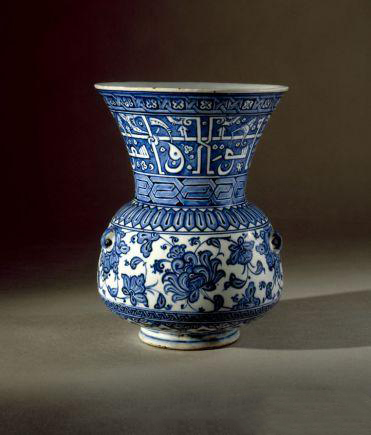
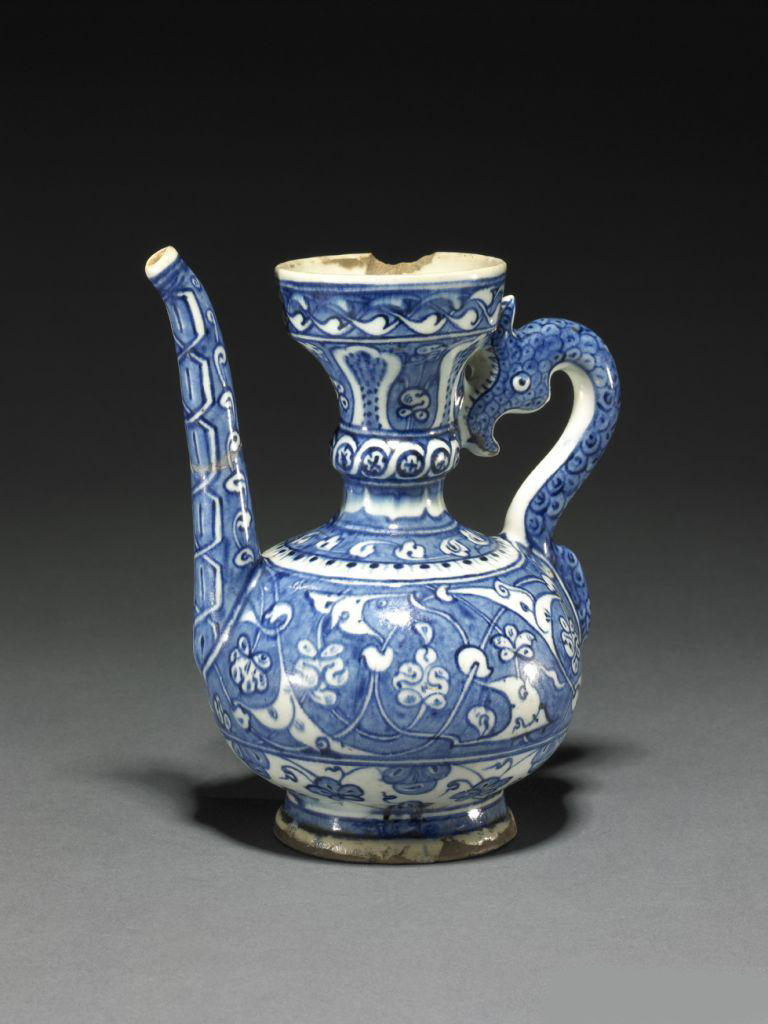
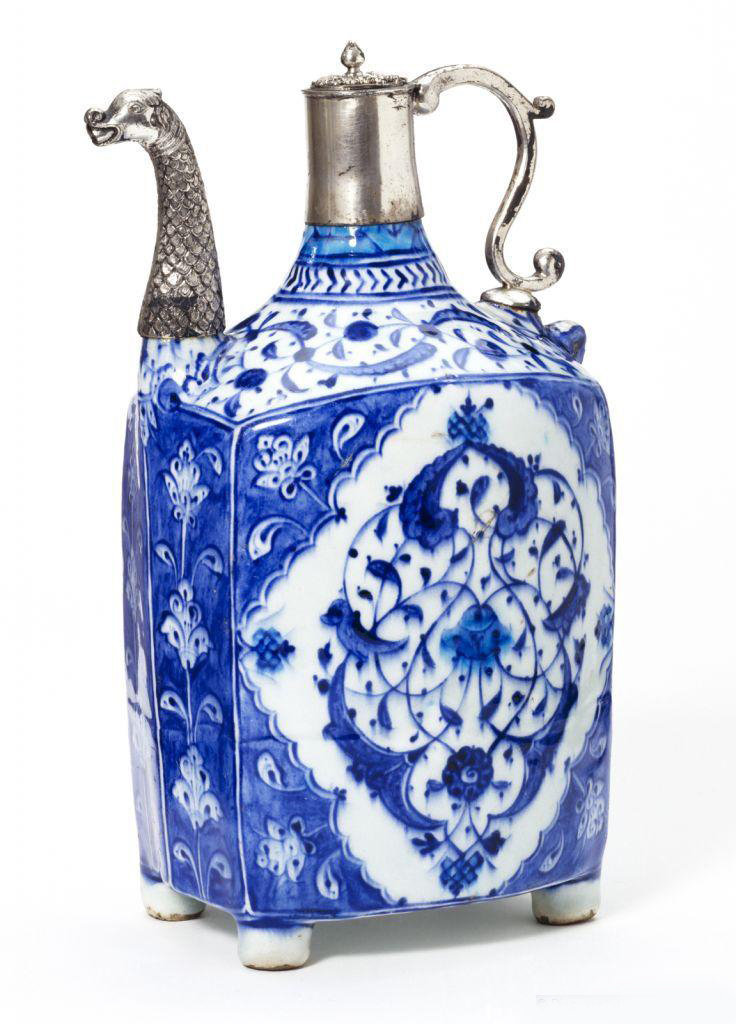
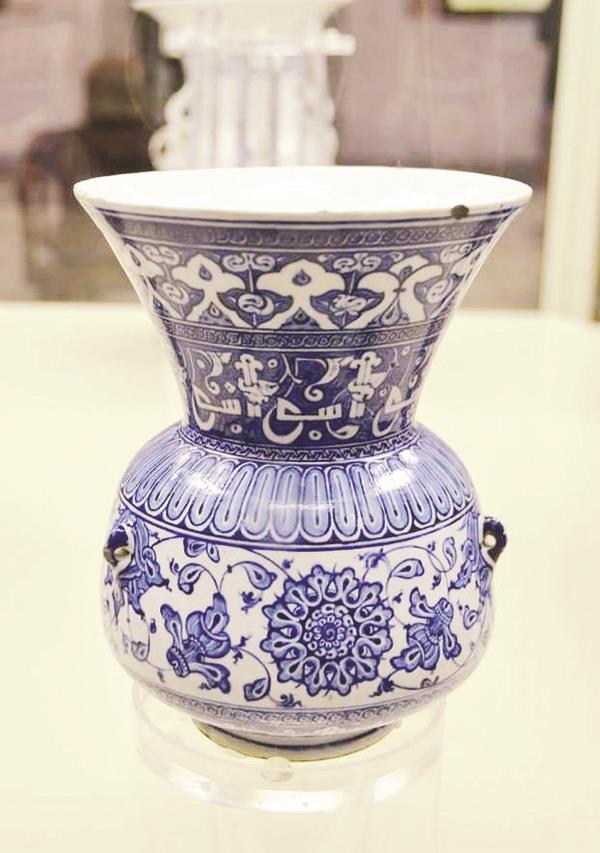
- Transmission of Motifs and Ornamentation: European artisans drew inspiration from the majesty of Arabic calligraphy, “arabesque” aesthetics, and intricate, intertwining vegetal and geometric patterns, embellishing ceramics, fine cabinetry, glassware, and metalwork.
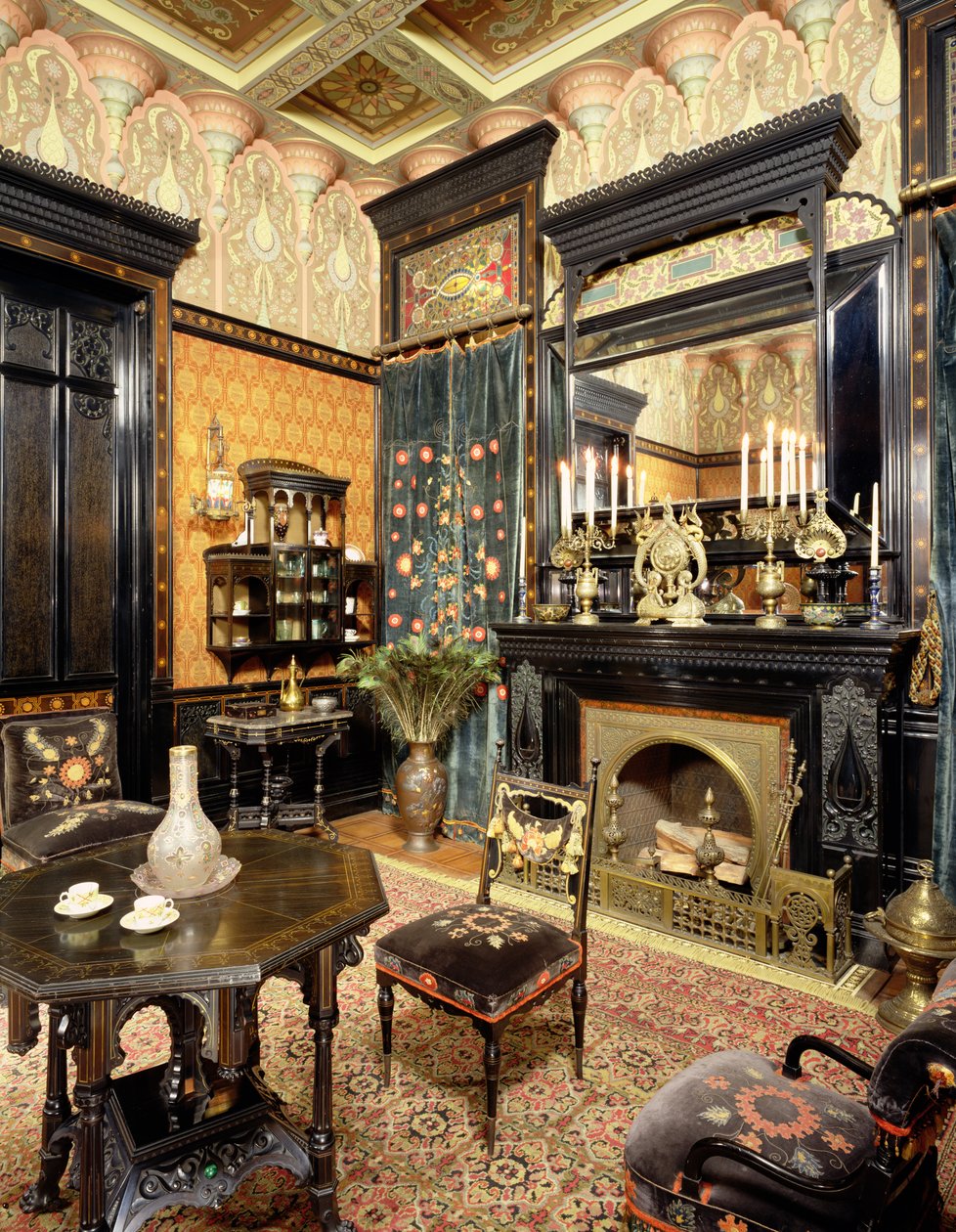
- Emulation of Eastern Crafts and Commodities: In the elite salons of Paris and London, smoking parlors and corners designed in the Moorish or Oriental style proliferated. These spaces featured meticulously adorned daggers, manufactures mimicking Ottoman and Persian carpets, and engraved brassware.
- Fine Art and Painting: Orientalist painters from France, Britain, and Germany transposed the nuances of bustling bazaars, Islamic architecture, and flowing vestments onto their canvases. Consequently, these elements became fundamental to the identity of locally produced decorative arts, satisfying the societal appetite for the “exotic”.
![]()
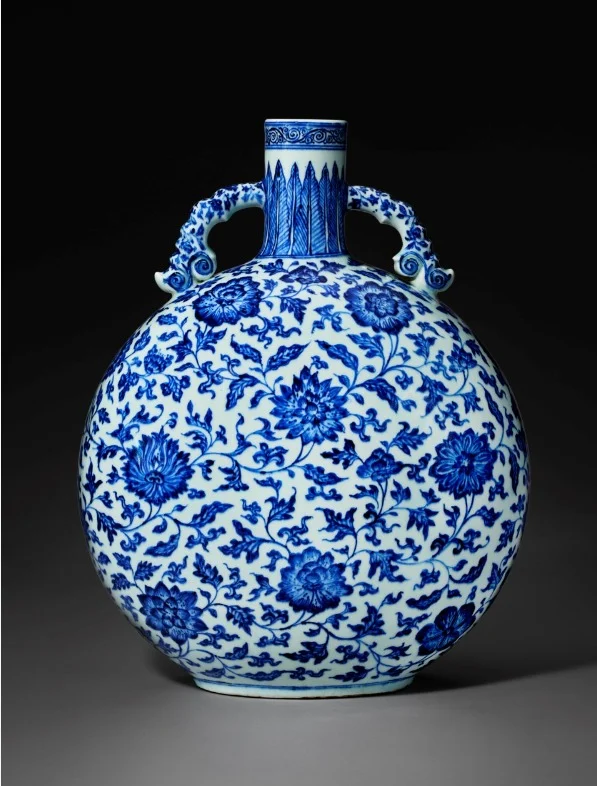
Manifestations of Orientalism in 19th-century European decorative arts. This selection demonstrates the synthesis of complex Islamic motifs—such as arabesque and calligraphic patterns—into fine ceramics, porcelain, and luxury metalwork crafted for the Western aristocracy.
II. Comparative Matrix: Manifestations of Orientalism in European Antiques
| Dimension of Orientalist Influence |
Practical Manifestations in European Antiques |
Cultural and Contextual Framework |
| Ornamentation & Motifs |
Implementation of Arabic calligraphy and arabesques in ceramics and furniture. |
Emulating the opulence and unfamiliar aesthetics of Eastern design. |
| Metalwork & Artware |
Emulation of engraved brassware and intricately adorned weaponry/swords. |
Embellishing European palaces and salons with a luxurious Eastern cachet. |
| Carpets & Textiles |
Manufacture of carpets inspired by classical Ottoman and Persian typologies. |
Displaying social prestige and cultural refinement among the affluent strata. |
| Painting & Fine Art |
Rendering Eastern artifacts (ewers, textiles) within canonical paintings. |
Framing the East within an iconography of “exoticism and beauty” intertwined with the colonial gaze. |
![]()
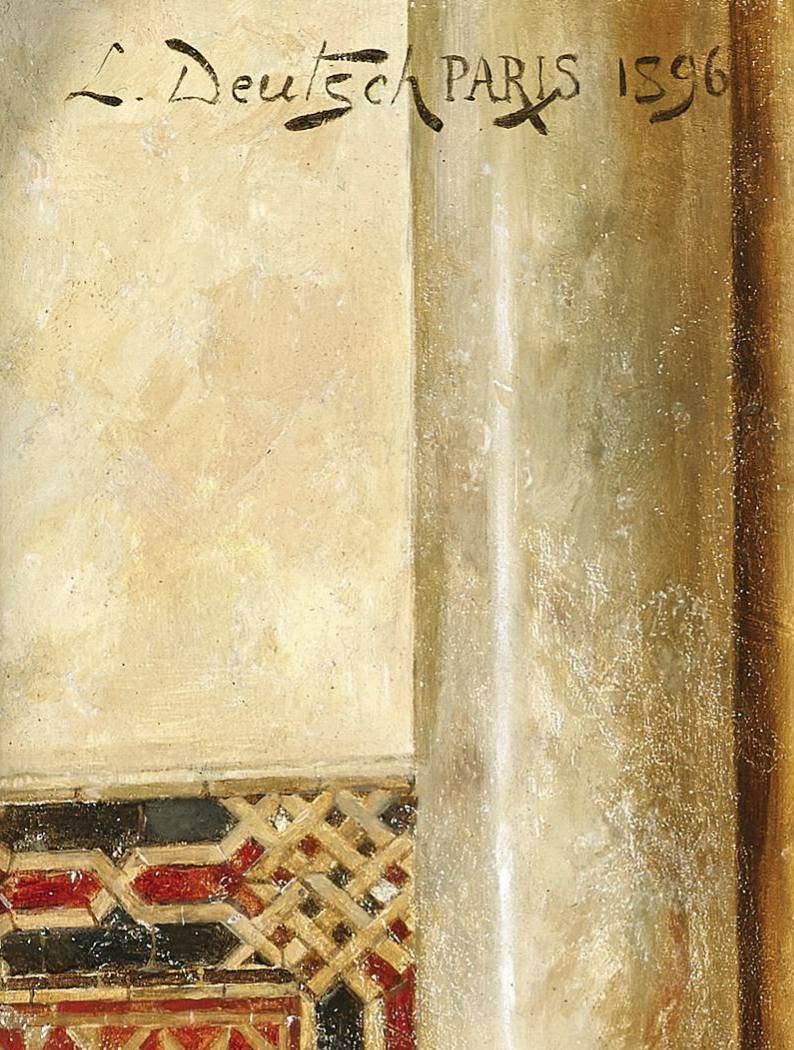
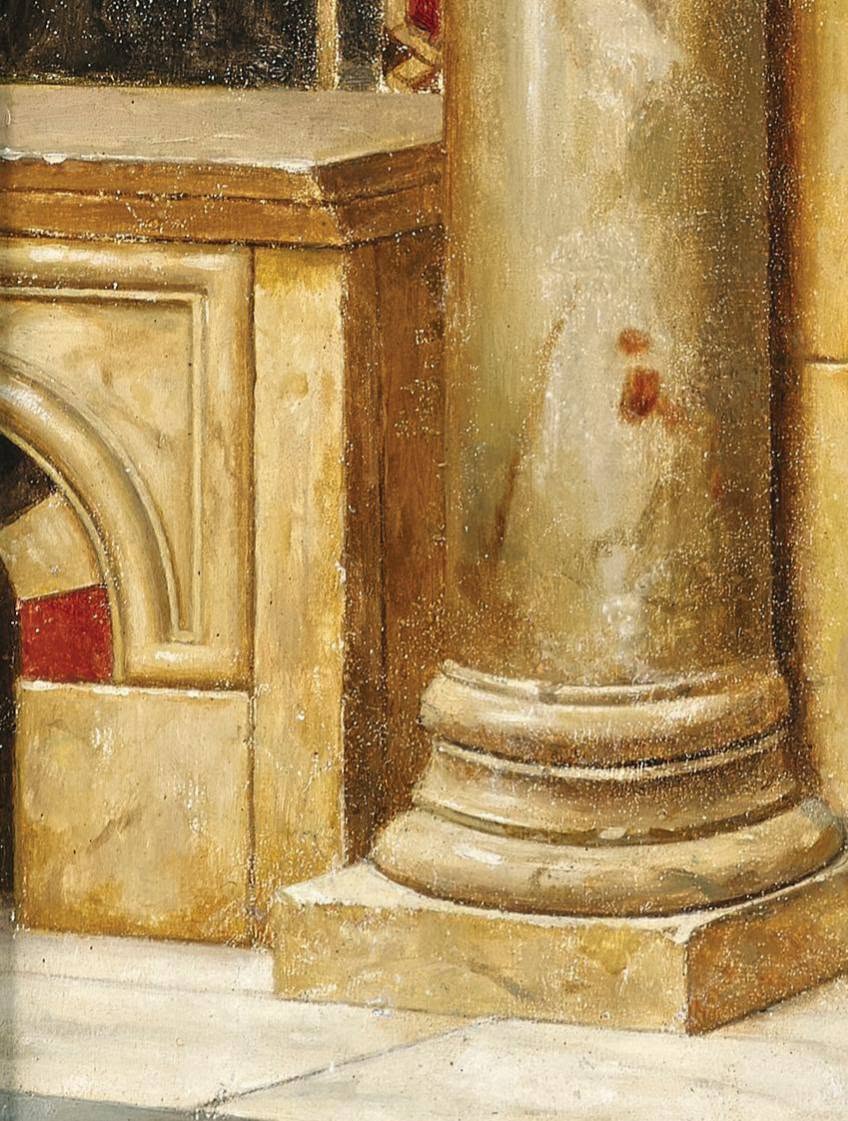
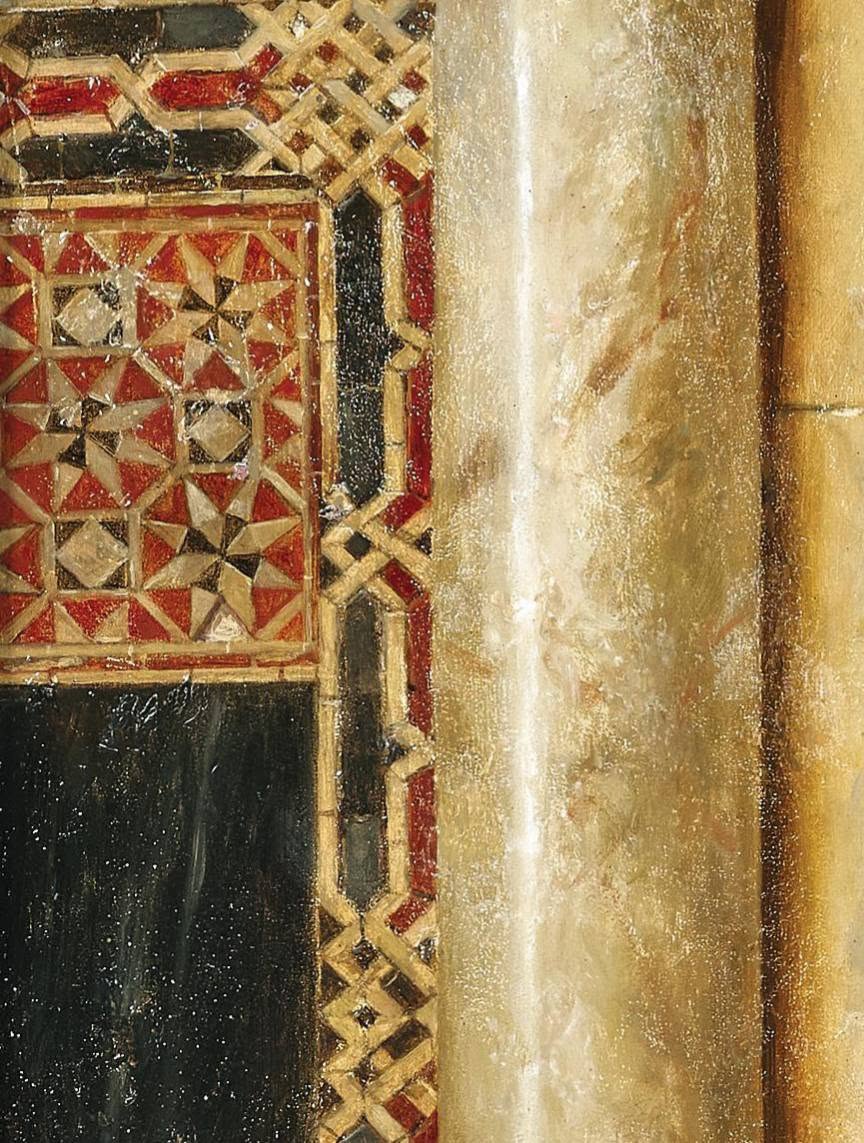
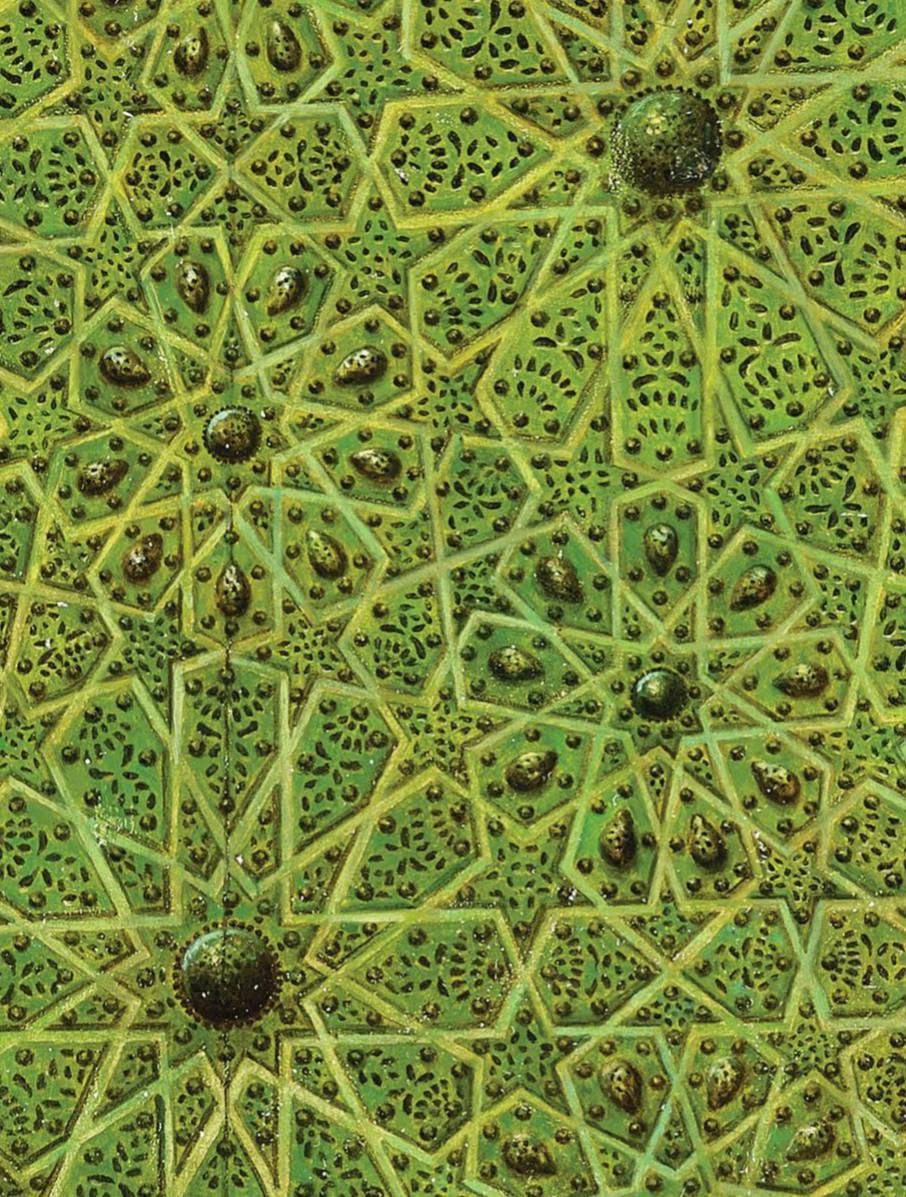
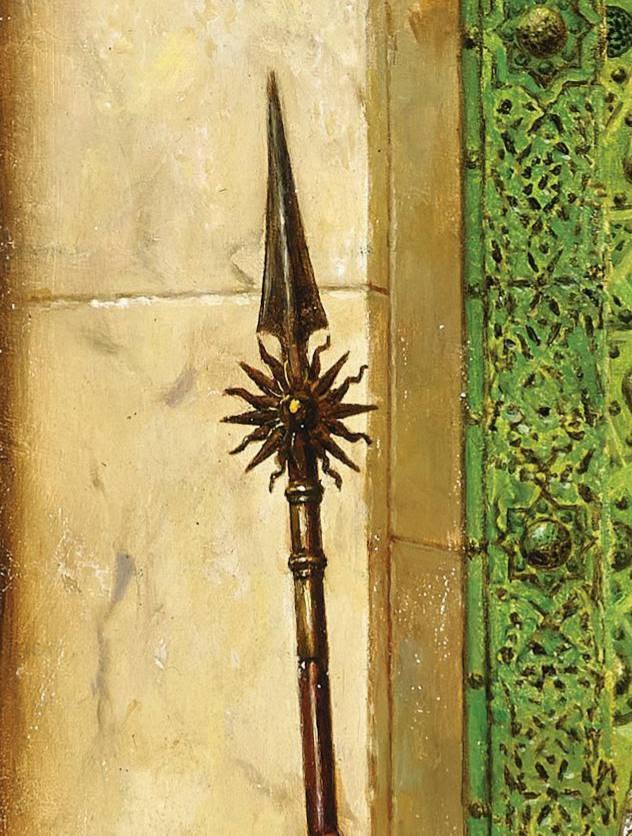
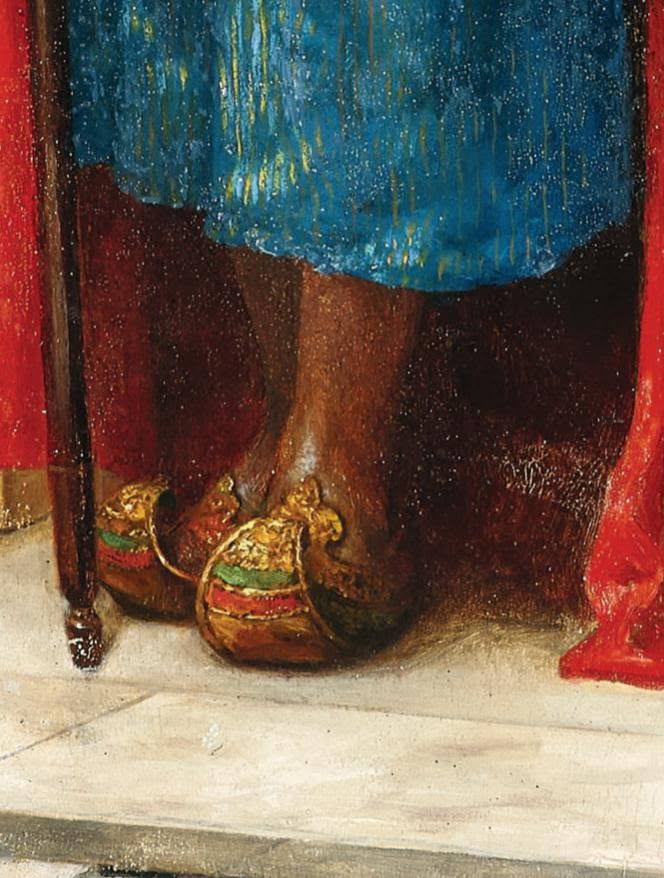
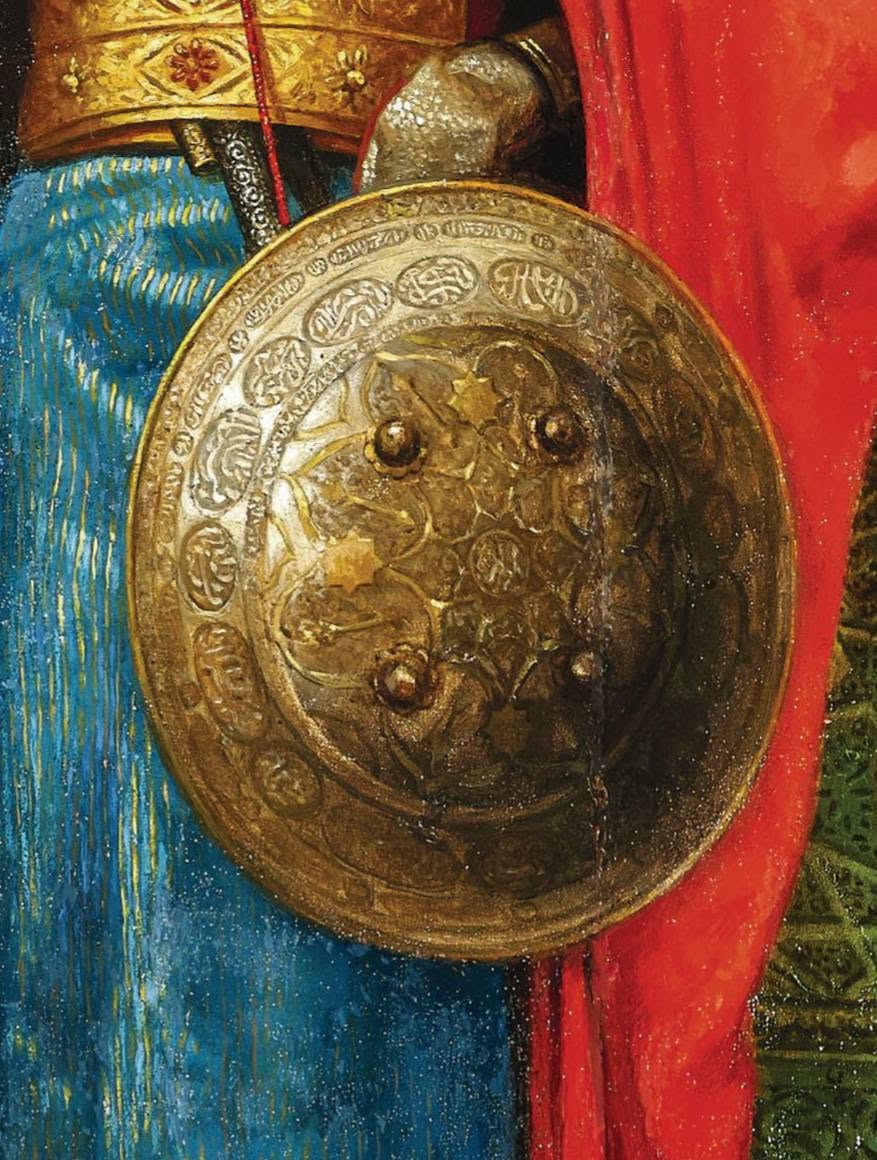
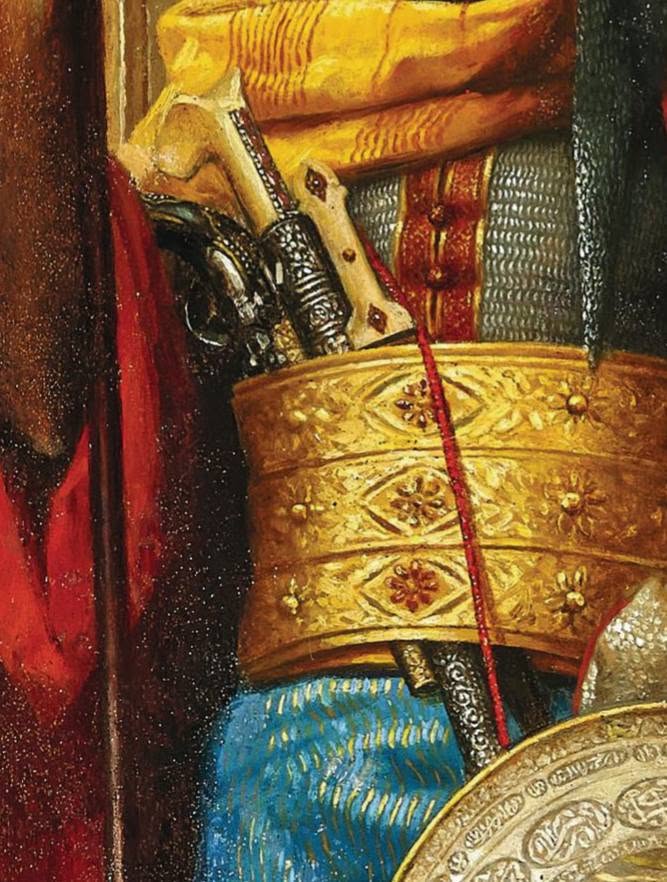
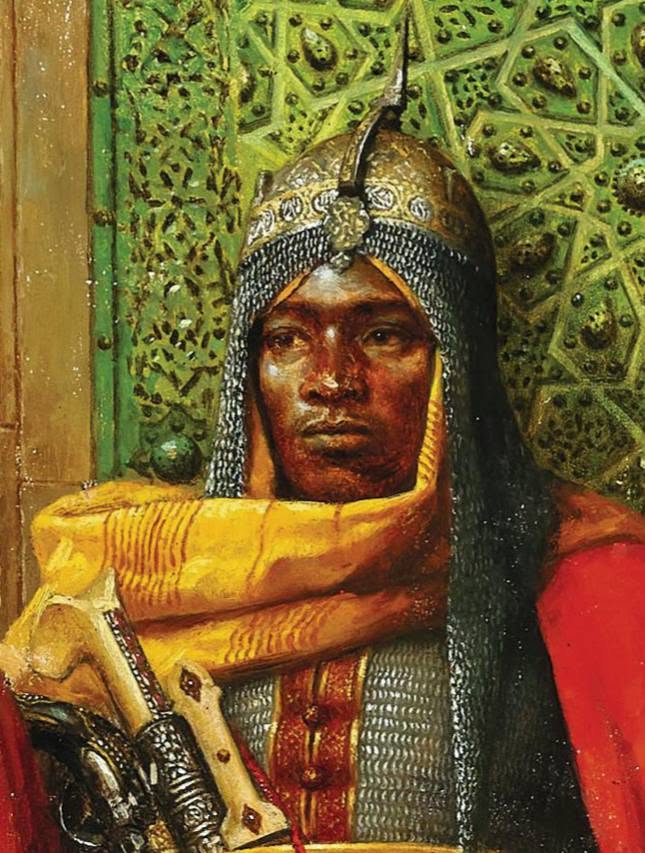
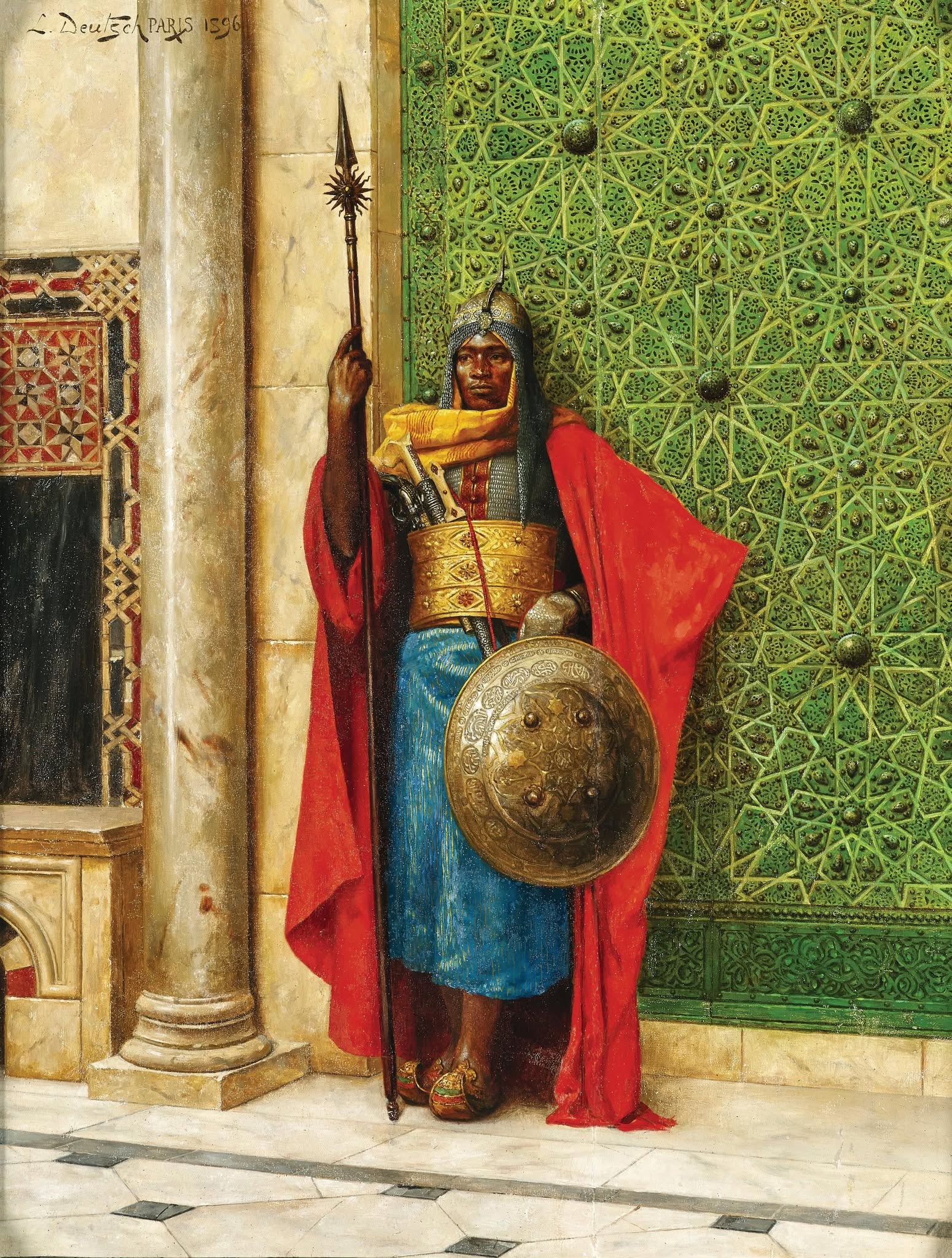
Visual and architectural details extracted from The Palace Guard by Austrian Orientalist Ludwig Deutsch (1892). These studies showcase the hyper-realistic precision in rendering Mamluk architecture, marble inlaid panels, geometric stucco, and polished brassware—elements heavily co-opted by Europeans to design opulent Moorish smoking rooms and salons.
III. Advanced Critical Dimensions of the Orientalist Phenomenon
To foster a more profound comprehension of this artistic and historical paradigm, we examine the following thematic axes:
1. Prominent European Artists of the Orientalist Tradition
- Jean-Léon Gérôme: The preeminent French master whose extensive travels through Egypt and the Levant informed his oeuvre. His paintings are renowned for capturing local markets, artisan workshops, and palatial architecture with documentary precision, exerting a profound influence on the material culture of his era.
- Ludwig Deutsch: The Austrian-born Orientalist who established his career in France. Deutsch focused meticulously on depicting Eastern craftsmen, palace guards, and the hyper-realistic textures of polished brassware and glazed tiles, rendering his work a visual lexicon for decorative art manufacturers.
- David Wilkie: The Scottish painter who synthesised social realism with Orientalism following his journeys to Constantinople, Palestine, and Egypt, effectively integrating Eastern furniture and costume into the British visual consciousness.
2. The Architectural Manifestations of Orientalism (Orientalist Architecture)
The allure of the East expanded from salon tables and decorative objects to grand architectural spaces:
- Exhibition and Leisure Architecture: “Moorish Salons” emerged within royal palaces and aristocratic residences across London, Paris, and Vienna, heavily borrowing from the Alhambra in Granada and Mamluk architecture in Cairo.
- Civic and Wellness Structures: Bulbous domes, pointed arches, and intricate stucco plasterwork dictated the design of select spas, theaters, and even grand public parks and early cinemas across nineteenth-century Europe—standing as a testament to the Western obsession with reproducing the Eastern architectural landscape.
3. A Critical Analysis of Human and Cultural Representation
In alignment with the seminal critical discourses pioneered by intellectuals such as Edward Said:
- These artworks and antiques were neither innocent aesthetic appropriations nor mere expressions of pure admiration; they were inherently laden with a romanticised, often paternalistic gaze.
- The East was frequently essentialized as the mysterious, charming, or indolent “Other”. Consequently, these artifacts functioned as instruments of cultural hegemony, divorcing Eastern material culture from its living, dynamic context. Transformed into mere “décor” within upper-middle-class and aristocratic European salons, they served to reify the authority of the Western center and its capacity to consume and codify alternative cultures.

Jean-Léon Gérôme, The Snake Charmer, c. 1879 (The Clark Art Institute). This canonical masterpiece serves as the primary visual text for post-colonial critics, most notably Edward Said, illustrating the “Orientalist gaze” that romanticised and essentialised the East as inherently exotic, mysterious, and static to reify Western cultural hegemony.
The Contemporary Legacy of Orientalist Antiques
Today, Orientalist paintings and decorative objects preserved in global museums and international auction houses endure as rare historical and artistic testaments. They articulate not only the supreme mastery of wood and metal craftsmanship but also narrate a complex encounter of civilizations—a historical tension of gazes between an East steeped in symbolism and a West striving to capture both time and beauty.
![]()
![]()
![]()